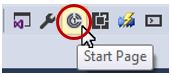
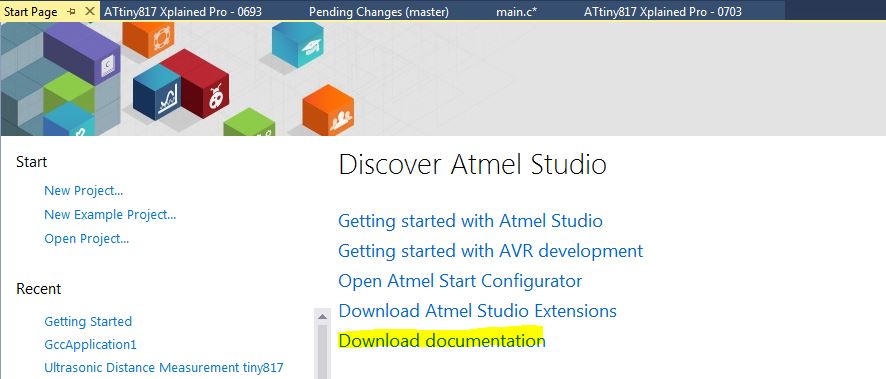
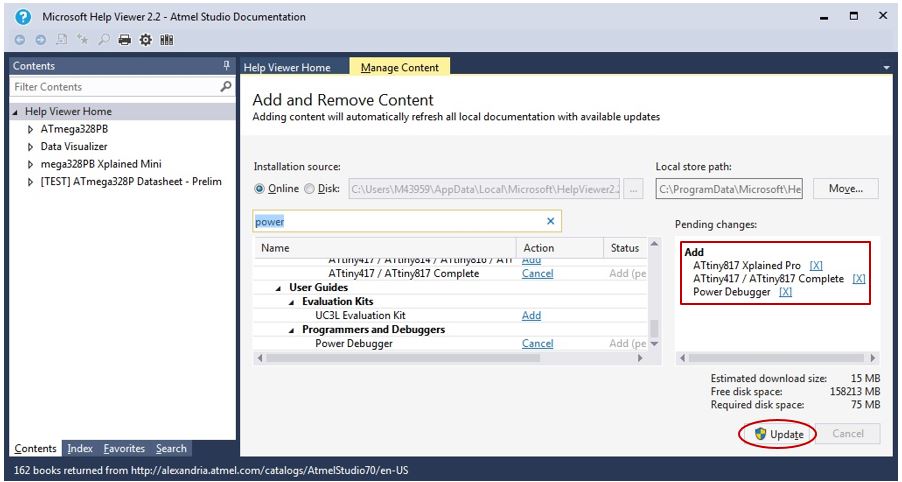
This section describes the process of installing Atmel Studio 7, installing updates for Studio or plugins, as well as adding support for new devices.
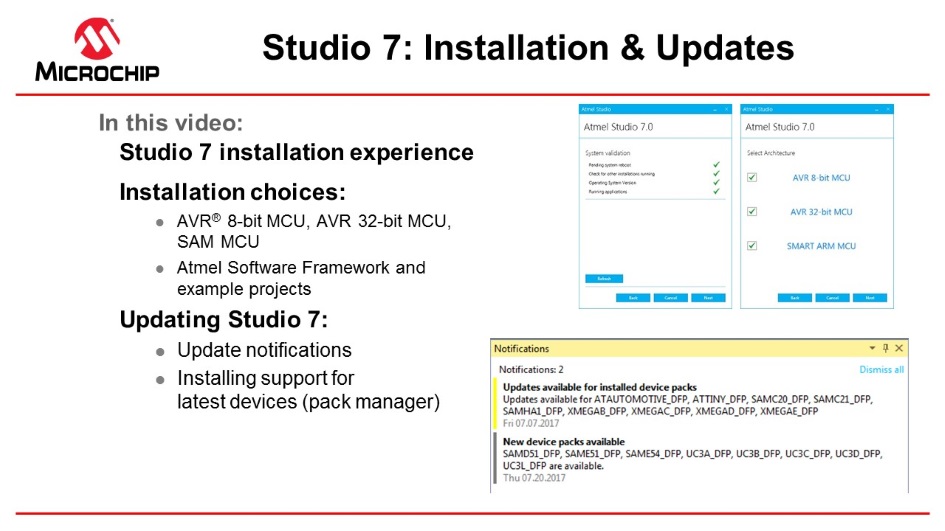
This section describes the process of installing Atmel Studio 7, installing updates for Studio or plugins, as well as adding support for new devices.
The decryption process relies on strict cryptographic principles and identity verification. Here is exactly how a typical RPA decrypter functions during an automated workflow: 1. The Trigger or Request
The same key is used for both encrypting and decrypting data. It is highly efficient and commonly used for encrypting large datasets, files, or local configuration assets. rpa decrypter work
To decrypt data, the system needs a cryptographic key. The RPA decrypter communicates with a Key Management Service (KMS) or CyberArk/HashiCorp Vault using secure APIs. The system verifies the bot's identity using digital certificates or unique runtime tokens before releasing or utilizing the decryption key. 3. Execution of the Decryption Algorithm It is highly efficient and commonly used for
: Locates the RPA header (e.g., RPA-3.0 ) to understand the archive version and internal structure. The system verifies the bot's identity using digital
: Opening password-protected PDFs or Excel files sent by clients. API Integrations
Different automation architectures handle decryption in specialized ways based on deployment needs. Local Runtime Decrypters